
Sikh History & Divine Heritage
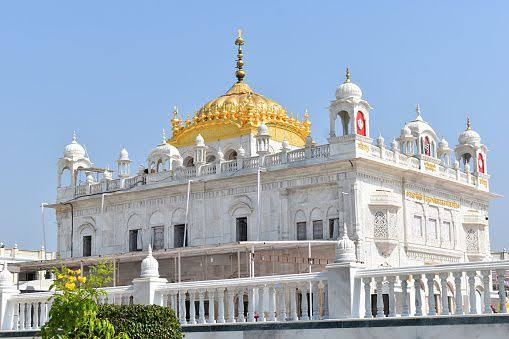
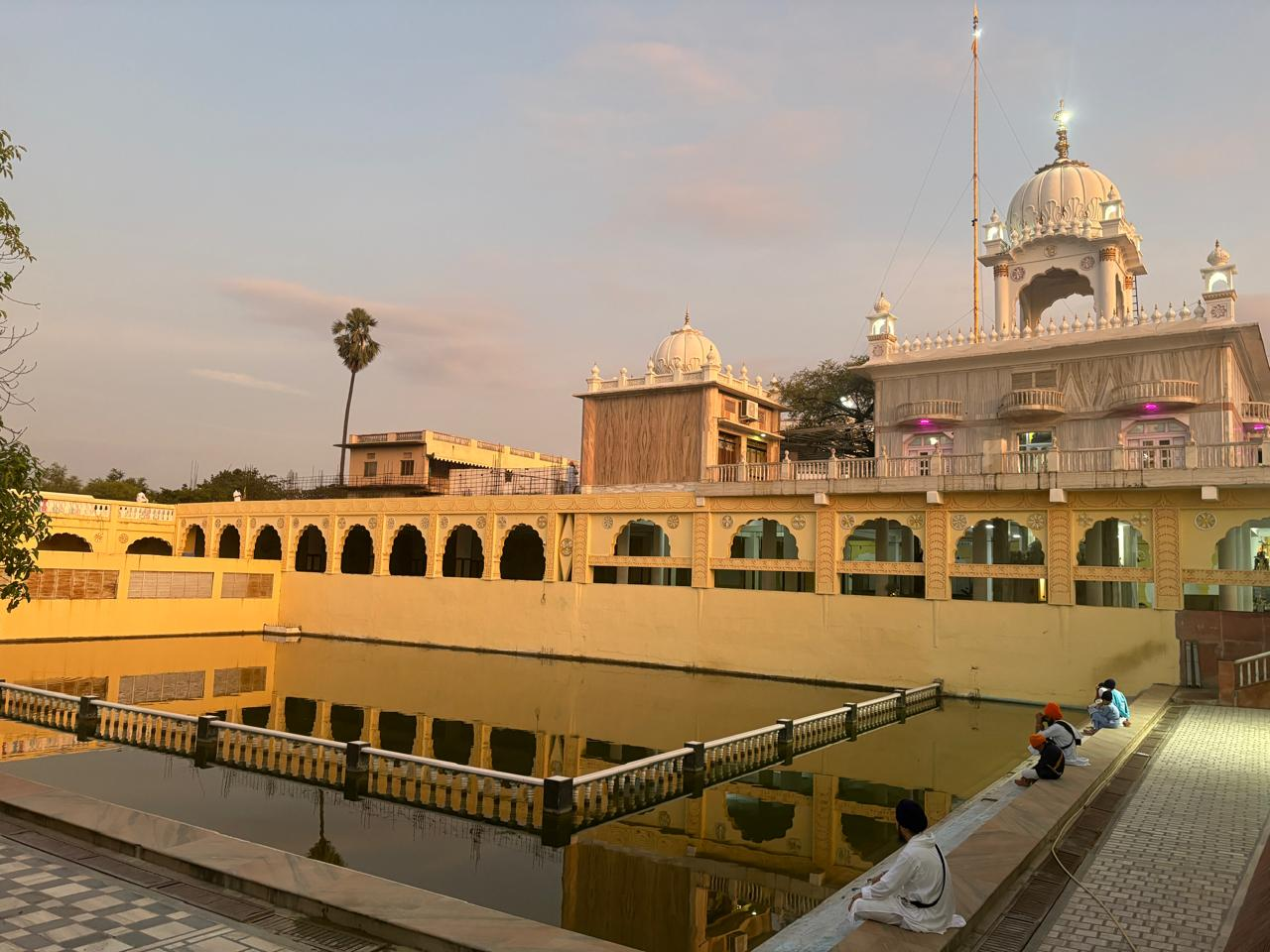
Explore 550+ years of divine wisdom, the sacred portraits and teachings of the 10 Guru Sahibans, the historic chronicle of Gurudwara Nanaksar Sahib Nanded, and the 5 Sacred Takhts.
Guru Sahibans
Nanded Chapters
Sacred Takhts
Years Heritage

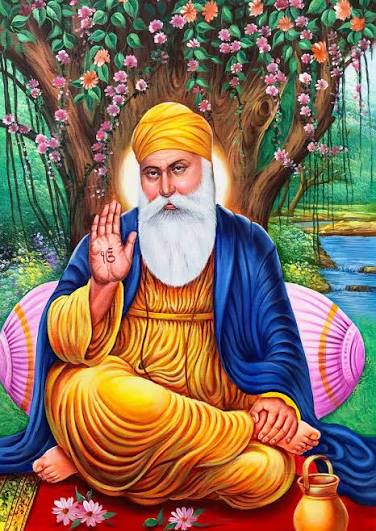
Guru Nanak Dev Ji
1469 – 1539
Founder of Sikhism. He spread the message of Ik Onkar, equality, love and devotion to the One God across four extensive spiritual journeys (Udasis).

Guru Angad Dev Ji
1539 – 1552
He continued Guru Nanak Ji's mission, standardized the Gurmukhi script for writing Gurbani, and promoted physical fitness via Mall Akharas.
Guru Amar Das Ji
1552 – 1574
He promoted equality, started the universal langar system for all regardless of caste or creed, and abolished Sati and Purdah practices.

Guru Ram Das Ji
1574 – 1581
He founded the holy city of Amritsar, excavated the sacred pool of Amrit Sarovar, and composed the Anand Karaj marital hymns (Lavan).

Guru Arjan Dev Ji
1581 – 1606
He compiled the Adi Granth in 1604, constructed Harmandir Sahib with 4 doors, and endured supreme martyrdom on hot iron plates in Lahore for upholding truth.

Guru Hargobind Sahib Ji
1606 – 1644
He wore two swords (Miri & Piri) symbolizing spiritual and temporal responsibilities, built Sri Akal Takht Sahib, and liberated 52 kings at Gwalior Fort.

Guru Har Rai Sahib Ji
1644 – 1661
He was a compassionate leader who maintained an herbal medicine garden curing thousands, while upholding strict military readiness.
Guru Har Krishan Sahib Ji
1661 – 1664
The youngest Guru, known for his innocence, compassion and service, personally nursing smallpox and cholera victims at the site of Gurdwara Bangla Sahib.

Guru Tegh Bahadur Ji
1664 – 1675
He sacrificed his life in Delhi for the protection of dharma and religious freedom of Kashmiri Pandits and all humanity against forced conversion.

Guru Gobind Singh Ji
1675 – 1708
He founded the Khalsa Panth in 1699, sacrificed all four Sahibzadas for righteousness, and declared Sri Guru Granth Sahib Ji as the eternal Guru of Sikhs.